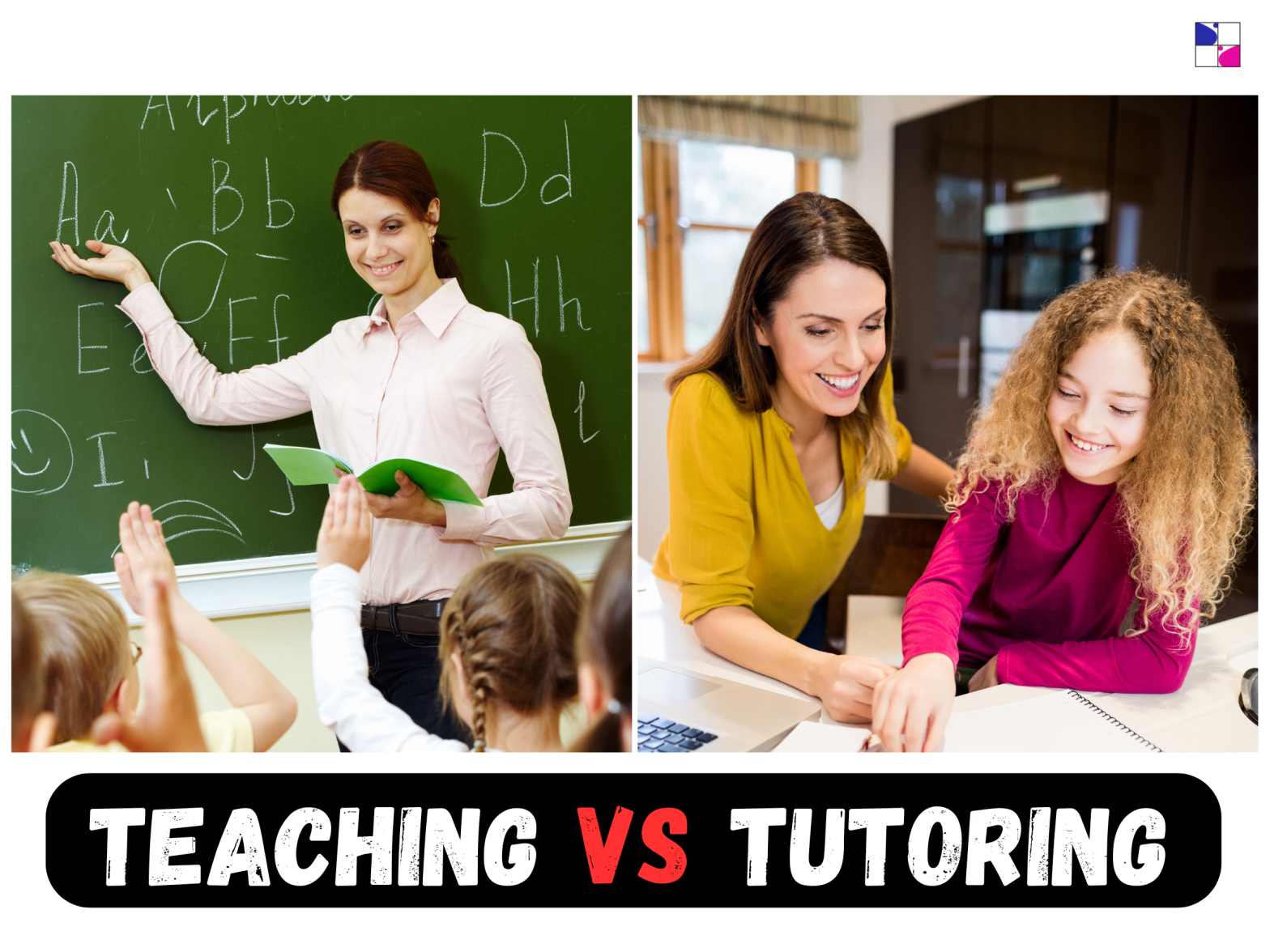
Teaching and Tutoring play such crucial roles in the world of education, and they each bring something unique to the table! Teaching is all about captivating a group of eager learners in a classroom, delivering structured lessons that follow a standardized curriculum. It’s a fantastic way to cover a wide range of exciting topics and foster general academic growth.
Teachers Introduce, Tutors Expand
Tutoring is all about empowering students and dramatically reducing the rates of failure in those traditionally tough classes! Imagine a student who’s been settling for B, C, or even D grades—through tutoring, they can soar to an A! But it doesn’t stop there; even high-achieving students who are already scoring As can benefit immensely. Tutoring takes their learning journey from merely being excellent to achieving true mastery. It encourages big thinking and fosters independence, leadership, and innovation—all of which will serve them far beyond the classroom! Let’s inspire greatness together!
Tutors Take Responsibility
If a student leaves class without grasping a concept, it’s not solely the teacher’s job to revisit that topic. The onus is on the student to dive in and explore! That can feel a bit daunting, particularly if the teacher hasn’t tapped into the student’s unique learning style. However, when it comes to tutoring, the game changes! If a student walks away from a tutoring session still puzzled, it’s absolutely the tutor’s mission to reinvent their teaching approach. Tutors are dedicated to ensuring their students feel confident and secure in their understanding, which means they’ll enthusiastically try all sorts of methods to make the learning experience engaging and effective!
| Category | Teaching | Tutoring |
| Definition | A structured delivery of academic content to a group, often in a classroom or lecture setting. | A personalized academic support service focused on an individual or small group’s specific needs. Tutors Aren’t bound by Curriculum |
| Purpose | introduce concepts, and guide students through a curriculum. | To reinforce or clarify concepts taught by a teacher; to help students overcome specific challenges. |
| Setting | Classroom, lecture hall, online class with multiple participants. | One-on-one sessions or small group meetings, often in informal or semi-formal environments. |
| Curriculum | Follows a standardized syllabus and educational objectives. | Flexible and based on the student’s personal academic needs or weaknesses. |
| Pace | Uniform for the whole class, set by the school or institution. | Adapted to the pace of the individual student or group. |
| Assessment Style | Formal: includes exams, quizzes, assignments, and standardized testing. | Informal: uses practice problems, Q&A, discussions, and mock quizzes to assess understanding. |
| Role of Educator | Authority figure and content expert responsible for discipline and progress of a full class. | Supportive guide or mentor helping students understand and apply the material taught in class. |
| Feedback | Periodic and general; often delayed (e.g., after grading exams or papers). | Immediate and personalized; can be adjusted on the spot during sessions. |
| Tools & Resources Used | Textbooks, blackboards/whiteboards, slides, and official curriculum materials. | Worksheets, online tools, class notes, and supplemental materials. |
| Student-Teacher Interaction | Limited due to class size; more formal. | Highly interactive; fosters personal rapport and informal learning environment. |
| Outcome Focus | Broader: academic success across a curriculum, preparation for next grade or level. | Narrower: improvement in specific subjects, concepts, or grades. |
Learn more about us : Click here
For Registration : Click here
️Cheers!! ❤
Sharma & Sharma Tutoring Services
Private Tutoring & Exam Prep Services
www.mathtutorofflorida.com
 Sharma & Sharma